
“The action trap works because it feels safe. It turns hesitation into routine until motion feels like a risk instead of a return to yourself.”
TL;DR
- The action trap forms when stillness feels safer than movement.
- Planning becomes avoidance when it replaces action.
- Confidence weakens when unused and doubt fills the leftover space.
- Freedom rebuilds through small, deliberate motion.
- Your independence begins the moment you stop waiting for the perfect time.
“Hesitation is not caution. It is consent. The moment you wait without reason, you let someone else decide the pace of your life.”
If you read Monday’s post The Fear Machine, you already understand how fear freezes people. If you read Wednesday’s article Independent Thinking: How to Think Free When the World Stops, you understand how clarity dismantles mental traps. Today is different. Today is ignition. This is where thought becomes movement and movement becomes freedom.
The Mechanics of the Action Trap
“Most people wait so long for the right moment that the moment becomes the excuse.”
The action trap starts quietly. You delay one task because the timing feels off or postpone a decision because you want to think it through. Eventually, you ignore an opportunity because life feels too loud. None of these choices feel harmful in the moment, but each one is a small vote for stillness. Those votes stack up, and sooner or later you stop realizing that you are choosing at all. The trick of the action trap is to not act too soon, but also not delay it so that inaction becomes the norm.
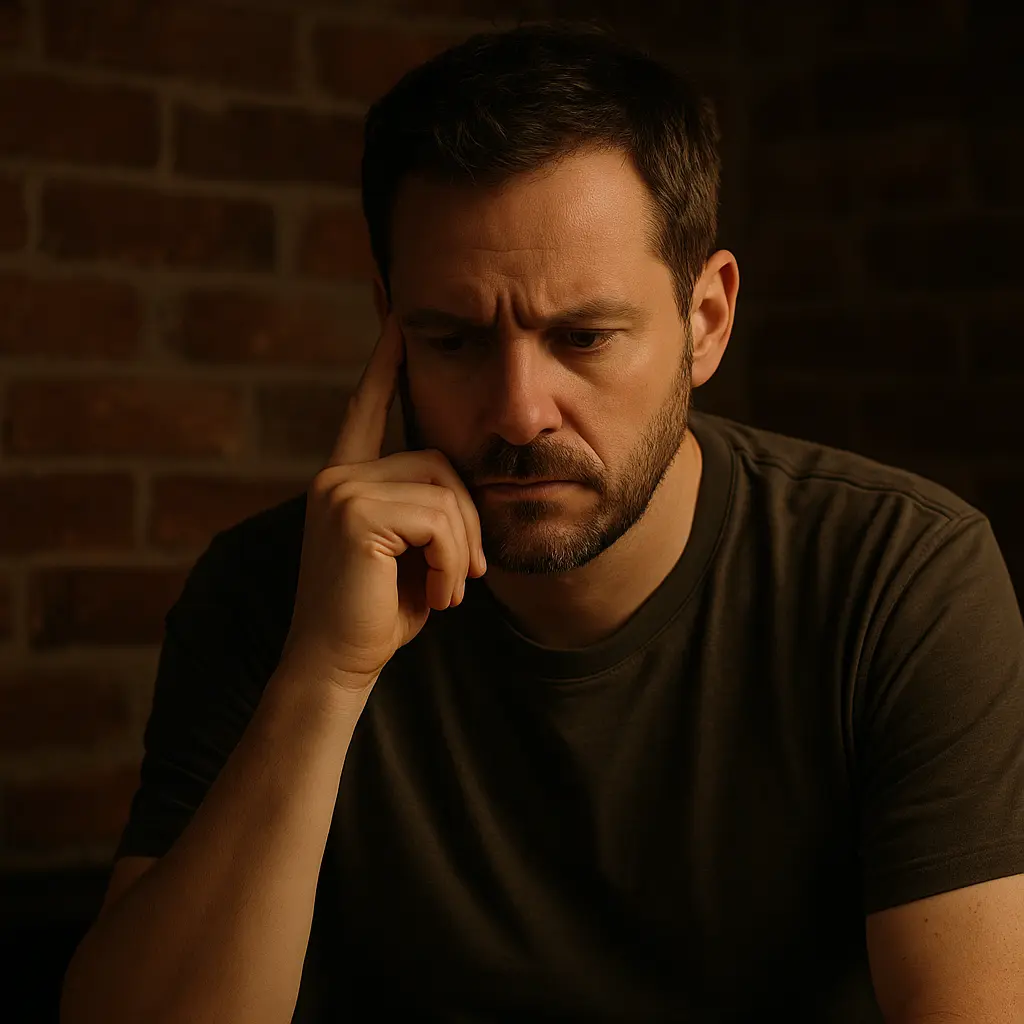
The strategy of “overwhelming” makes the trap feel reasonable. When life piles on, the mind insists on perfect clarity before taking the first step. It becomes easy to believe that a full blueprint is required, that every risk must be understood in advance. The logic sounds responsible and even mature. Yet most of the time, this is avoidance dressed up as preparation. Planning transforms into a shield because the idea of moving feels heavier than the idea of thinking.
Waiting eventually begins to feel like maturity. Thoughts drift toward phrases that make hesitation sound thoughtful and intentional. Space seems necessary, timing feels sacred, and caution looks like discipline. Those phrases paint a picture of strategy, but they often delay the part of life that asks for real courage. What passes for patience is usually an agreement with doubt, not a plan for better outcomes.

The action trap strengthens itself in quieter ways. A day of delay feels harmless, and taking another week to “think about it” feels deserved. The slower rhythm convinces you that nothing urgent is being lost. But stillness has a cost. Confidence thins out when it is unused, and hesitation accumulates weight. What was once a simple pause starts shaping how you see yourself. Starting again feels heavier each day, and movement begins to look like a threat instead of a return to your own momentum.
Why Waiting Serves Everyone Except You
“Every system runs smoother when you stay predictable. Stillness keeps you predictable.”
The action trap does not appear by accident. It fits neatly into how modern systems are designed to function. Platforms profit when you keep scrolling instead of creating. Employers gain stability when you stick to the routine instead of taking risks that might lead you somewhere else. Even your own habits prefer comfort because comfort asks nothing of you. Stillness becomes an efficient arrangement for everyone except the person who actually needs to grow.
Think back to Monday’s breakdown on fear. Fear freezes decision-making and frozen people are easy to influence. Wednesday’s article showed how independent thinking interrupts that loop. Action goes further than both as It threatens every structure that benefits from your predictability. The moment you begin to move, you become harder to categorize and nearly impossible to steer.
While you hesitate, someone else takes the advantage you surrendered. Someone else moves forward with the time you gave away while other use the opportunities you stepped around. The world quietly rewards your stillness because stillness is simple to manage. When you pause long enough, you fall into a rhythm that keeps everything running smoothly for everyone but you.
Waiting also reshapes your identity in ways most people never notice. You begin to see yourself as an observer instead of a participant and watch other people take risks while you tell yourself you will act later. Reaction to life becomes the norm instead of building anything of your own. Once that identity takes hold, the world no longer needs to slow you down because you start doing the job on its behalf.
That cycle looks harmless in the moment, but it becomes destructive over time. You wait because you feel unsure and stay still because fear grows in the space you refuse to fill. The days begin to feel like a doom loop of Ground Hod Day while the action trap tightens without pressure because nothing in your life interrupts the loop.
How I Fell Into the Action Trap
“Momentum dies quietly. Then one day you look back and realize you haven’t moved.”
I know the action trap well because I built a damn house in it. When The Rogue Banshee started, it was a a simple channel where I showed complete teardown of guns and showed how to put them back together.
Then growth happened. Brands stepped in (with their expectations). I shifted toward reviews because numbers told me it was “smart” even when it felt wrong. That shift created hesitation and every upload became a decision instead of an expression. Every idea had to pass a mental committee of analytics and imagined expectations. Motion turned into negotiation.
I convinced myself I needed the right plan with the right timing. I convinced myself I needed one more piece of information before shifting course. Time kept moving while I stayed still and built my own trap. That is the part the action trap hides best, it gives you reasons that sound mature while quietly draining your confidence.
The low point came when a brand told me I was basically an unpaid intern. No money, no support and just be happy with the product in exchange for content. They said if I did not like the deal, I could go back to the brand they replaced. I realized I had negotiated myself into a corner by waiting for permission that I never needed. So I burned the bridge, stepped away and returned to my core work.
The moment I shifted back, motion returned. I stopped waiting for perfect conditions and negotiating with my mental doubt. I started moving again because clarity brought independence which started momentum. That is how you escape the action trap. You move while you still feel unsure.
Daily Practices That Break the Action Trap
“Most breakthroughs start as tiny, boring steps that feel almost invisible when you take them.”
Action does not need drama or spectacle. It needs movement. It needs intention. It needs a decision made without bargaining. Here are the habits that rebuild that muscle.
Start Small on Purpose
Big goals create hesitation. Small actions create confidence. Pick one task you can finish in five minutes. Complete it without debate. That small win resets your internal pace far better than motivation ever could.
Set One Daily Non-Negotiable
Choose something you do every day no matter what. Reading. Writing. Repairing. Training. Learning. Discipline beats inspiration. It also builds identity and identity drives action.
Lower the Activation Energy
Remove friction. Lay out your tools the night before. Prep your workspace. Set your clothes aside. Reduce the number of decisions between you and movement. The easier it is to begin, the faster you build consistency.
Leave One Thing Unfinished
End your day with a task slightly incomplete. That small cliffhanger gives your mind something to return to and makes starting easier. Beginning from momentum beats beginning from zero.
Measure Motion, Not Perfection
Perfection stalls people. Progress frees them. Track your week by what you moved, not what you perfected. Forward is forward even when it is small.
Rebuilding Freedom Through Action
“Freedom appears the moment you move with intention. Stillness only protects your doubts.”
Freedom grows through motion and every time you choose momentum over doubt. It grows when you stop waiting for the perfect roadmap and instead step into the moment you have. Action is the catalyst that turns clarity into reality and ideas into progress.
Rebellion does not always look dramatic, sometimes it is a single step you have ignored for years. It can also be starting a project without asking for permission or learning a skill that felt intimidating. Every act of movement signals that hesitation no longer gets the final vote.
If you want to escape the action trap, stop waiting for the feeling of readiness and do what is in front of you. Your future self will thank you. The fuse is in your hands, so light it.
Freedom starts in the mind. Light the Fuse.
FAQ
“Action clears confusion faster than thinking ever will.”
What is the action trap?
A pattern where hesitation replaces progress until stillness becomes automatic.
Why does waiting feel safer?
Because doubt prefers comfort. Comfort asks nothing from you. Movement does.
How can I break the trap?
Start small. Build consistency. Remove friction. Action grows through repetition, not intensity.
Does action mean rushing?
No. Action means moving with purpose. You choose a direction and step into it without bargaining.
What should I do today?
Pick one thing you have avoided. Finish it. Prove to yourself that motion is still possible.