Stop Being Predictable: Success Ends When You Stop Playing Along

Stop being predictable featured image showing a disrupted path breaking free from a grid pattern on dark background

“Stop being predictable and watch how fast praise turns into pressure.”

TL;DR

  • The system rewards predictability, not competence.
  • Praise confirms compliance, not personal value.
  • The moment you refuse an assigned role, pressure replaces approval.
  • Rebellion is not dramatic. It is quiet refusal without explanation.
  • Stop being predictable and the system quickly moves on.

When the Brass Ring Stops Mattering

“You are offered the next rung long before anyone asks if you want the ladder.”

“You’re being groomed to take over my position when I retire.”

My boss said it like a gift. Recognition. Opportunity. The natural next step in a career that appeared to be unfolding exactly as planned.

At one point, it made sense. I was an AVP reporting to the CISO. I had built a team, earned trust, and absorbed responsibility for five years without complaint. From the outside, the trajectory looked inevitable.

For a long time, I wanted it. CISO was the brass ring. The logical destination for someone on that path.

However, life changes. Priorities shift. What once looked like progress eventually starts to feel like weight. Over time, the cost becomes visible and the reward loses its shine.

So when he told me I was being groomed for his role, I told him I didn’t want it. I was leaving for a director position elsewhere.

His reaction wasn’t explosive. Instead, it moved through disappointment, confusion, and anger in a matter of hours. The resignation call landed poorly. He could have handled it better.

After all, I was refusing a future they had already decided for me.

That moment taught me something most people never see. Praise often has nothing to do with you. It exists to confirm you are still predictable. Once you stop being predictable, praise disappears and pressure takes its place.

How Predictability Functions as Control

“Predictable people are valuable because they do not disrupt plans.”

People like to believe the system rewards competence. It does not. Instead, it rewards compliance that looks like competence.

You receive praise when your choices align with expectation. When you follow the trajectory. When your decisions remain manageable. Predictability creates value, not because you are irreplaceable, but because you are controllable.

When my boss said I was being groomed, he wasn’t validating capability. He was confirming I stayed on script and behaved the way a rising leader was expected to behave.

The moment I became unpredictable, the reward vanished. Not gradually. Immediately.

I gave four weeks’ notice and offered to help with a replacement. Even so, the organization discarded me quickly.

Predictability is not a personality trait. It is a control mechanism. Once you stop responding the way the system expects, it recalibrates. It does not punish openly. It simply stops treating you like you matter.

I explored this same mechanism last week in Discipline to Get Debt Free Is the Line Between Freedom and Obedience

There, the control showed up through credit scores. Here, it shows up through careers.

Why the System Punishes Refusal

“Refusal exposes assumptions people did not know they were making.”

Refusing an assigned role is never neutral. The punishment simply arrives quietly.

It appears as disappointment. Subtle shifts in tone. Professional distance. Confusion about how to treat you.

My boss reacted because I disrupted his succession plan. The organization reacted because I stopped being the predictable next step. My team reacted because good leaders are supposed to want more responsibility.

No one asked if the role still made sense for me. They only cared that I stopped playing my part.

The truth is simple. Your value rises and falls with predictability. Once you deviate, value drops. Not because ability vanished, but because compliance did.

When I left, the organization moved on immediately. Once I stopped being predictable, I stopped mattering.

Rebellion Is Quiet Refusal

“Rebellion works best when it requires no explanation.”

Rebellion is not loud. It is not dramatic. It does not involve confrontation.

Rebellion shows up as refusal without performance.

Walking away from roles without explanation. Letting offers expire. Holding lines after emergencies pass.  Saying nothing when justification is expected.

Stepping Back Without Apology

“Choosing less can be the most disruptive act.”

Years later, the department I joined was eliminated. Not because of failure, but because systems collapse.

Instead of scrambling to climb again, I stepped back. I took an engineer role. Less status. Less pressure. More peace.

When a former analyst asked why, I answered honestly.

“I get to give the headaches to someone else now.”

No justification. No performance. Just a decision.

Stop Being Predictable Is a Practice

“Compliance returns when repetition stops.”

This is not a one-time decision. It is a discipline.

I still step back. I simplify. I reduce commitments. I adjust as health and priorities change.

Each time you hold a line after reward disappears, leverage weakens.

Predictability only works if you keep participating.

The Line That Matters

“Freedom begins where explanation ends.”

Rebellion is boring. Quiet. Unannounced.

It is choosing what you want instead of what was decided for you.

The system does not collapse when you stop being predictable. It simply stops pretending you matter.

That silence is the signal.

Freedom starts in the mind. Light the Fuse.

Stay Sharp. Stay Free

No noise. No fluff. Just unfiltered insight on independence, mindset, and critical thought direct from Jason Schaller.

You’ll get:

  • Actionable ideas to reclaim your independence
  • Deep dives into comfort, control, and how to resist both
  • Stories that challenge the systems training you to stop thinking
  • Real frameworks for critical thought and self-reliance

Support & Resources

If you value what I write here, share it. Every repost, mention, and conversation helps spread the spark of independent thought.

Credits and Socials

Connect with Me:
Follow for new articles, behind-the-scenes content, and thought experiments that challenge the system:

Credits:
Original Content by Jason’s Fuse / My Rogue Solutions LLC
Credit: Jason Schaller
Email: jschaller@jasonsfuse.com

About the Author:
Jason Schaller is the creator of Jason’s Fuse — unfiltered thinking on independence, critical thought, and the courage to question everything. He is also the founder of The Rogue Banshee, a former professional gunsmith of 10 years, and a cybersecurity professional with nearly 30 years of experience. He holds some of the top Cybersecurity credentials like the CISSP, CISA and CRISC.

Disclaimers

Content Use & Responsibility
Jason’s Fuse publishes opinion and commentary designed to encourage independent thought. The ideas shared here are for informational and educational purposes only. Readers are encouraged to verify sources, form their own opinions, and apply judgment responsibly.

Affiliate Disclaimer
Some links may be affiliate-based. They cost you nothing but help support the mission of building true independence and critical thought.

Ethics Notice
Opinions expressed are Jason’s own and do not represent any employer or partner organization. All statements are made in good faith based on verified information at the time of writing.
Discipline to Get Debt Free Is the Line Between Freedom and Obedience

Discipline to get debt free typography design showing the dividing line between freedom and obedience

“Discipline to get debt free reveals the truth: the system rarely forces participation. It assumes it.”

TL;DR

  • Living below your means violates the system’s core assumption that you will spend what you make.
  • Discipline is not intensity. It is the repetition of saying no long after motivation fades.
  • Stop responding on schedule and watch the system recalibrate. That shift reveals how much expectation drove your behavior instead of choice.
  • Freedom begins when obedience loses the ability to shape your decisions.

The Expectation We Didn’t See

“You do not see the system clearly until you stop feeding it.”

People talk about discipline as if it announces itself. You either live it or you don’t. You’re either responsible or reckless. Living below your means fits neatly inside that story and becomes proof you’re doing the right things.

That’s why it feels so convincing.

Living below your means checks all the visible boxes. You contain spending and trim the excess. Nothing looks out of control from the outside. On paper, it reads as discipline.

What we didn’t see was the expectation underneath it.

The system expects participation. It expects you to spend what you make, that upgrades follow income, that payments stretch just far enough to keep you engaged. Living at or above your means fits that expectation perfectly. It keeps money moving and behavior predictable.

Living below your means is a deviation from that pattern. Not a rebellion. Not a statement. Just a quiet refusal to play at the level the system expects. That refusal changes the relationship before you ever clear the debt.

We didn’t recognize it as refusal at first. We thought we were being careful. Responsible. Patient. In reality, we had already stepped slightly out of line. The system noticed.

Why Living Below Your Means Feels So Uncomfortable

“Breaking expectation creates friction long before it creates freedom.”

Living below your means isn’t hard because the math is difficult. It’s hard because it violates assumptions that rarely get named.

I drive a 2010 Ford Fusion. My wife drives a 1994 Honda Civic she bought before we dated. We’ve been married for 26 years. Those cars run fine. They start every time and get us where we need to go. But people ask why we still drive them. Not with concern but with confusion.

The question underneath the question is always the same. Why haven’t you upgraded?

The assumption is that you should replace cars before problems arrive. Waiting for something to break looks irresponsible. Driving old vehicles signals either poverty or stubbornness, and neither fits the image of someone who has their finances together.

We tell people we drive them until they die. The response is always some version of discomfort. Not anger. Not judgment. Just a quiet sense that we’re doing something wrong by doing nothing at all.

That discomfort is the tell. It shows you where the system draws its lines. Upgrading isn’t optional, it’s expected. And when you refuse, the friction doesn’t come from your bank account. It comes from the people around you who cannot make sense of why you’re still holding a line they already crossed.

At first, the discomfort feels internal. You wonder if you’re being too rigid, too cautious, too serious. Over time, it shows up externally. Fewer assumptions, fewer automatic invitations to participate. Less noise aimed in your direction. I talked about this in last week’s article, Modern Serfdom when the junk mail came to a halt when we paid off our mortgage.

How the System Tries to Pull You Back In

“Obedience doesn’t argue. It waits for you to get tired.”

Once you step outside the system’s expectations, nothing dramatic happens. No warning bells or confrontation. What shows up instead is pressure disguised as reason.

A couple of months ago, we bought a 2015 Chevy Tahoe. For cash. It is the newest vehicle we own. It took months of getting comfortable with the idea of buying another vehicle. Then days and weeks of walking away from other trucks to get what we wanted at a price we could live with. We paid more than we planned, but we got the value we needed.

That purchase opened a door we thought we’d closed. For weeks afterward, spending felt easier. Not reckless, less resistant. We needed new dog beds in the back and the seat covers the previous owner had were not “us” (we are still looking for seat covers 2 months later).

Purchase after Purchase

We got the truck just after finishing the raised bed garden project in which we already spent $13,000 on. That project was justified in reduction of pain from injuries and age in order to keep gardening. We have pressure on us again to work our way back to cutting spending. It is easy to keep spending.

Did we justify our purchases, yes. However, we did our research and internal reflection before doing so. Do we still have our 1999 Durango that we hauled the dogs around in? Absolutely, it is just relegated to other duties that keeps it closer to home. You see, we vacation with our dogs and we needed to make sure we had a reliable vehicle. Or at least, that is how we justified the purchase.

The system doesn’t force you to keep spending. It just makes the first step back feel earned. You’ve been disciplined for so long. You’ve already proven the point. One more thing won’t hurt.

That’s how obedience works best. It waits for the moment when discipline starts to feel unnecessary instead of protective. It offers relief from the friction of always saying no. And if you’re not careful, the line you held for years disappears in a series of decisions that all felt justified at the time.

We caught it because we’d seen it before. But catching it required recognizing that the pull wasn’t coming from need. It was coming from the assumption that we’d already done enough.

What Discipline Actually Required

“Discipline is maintenance, not intensity.”

Once obedience stopped feeling automatic, discipline stopped being abstract. It wasn’t about budgeting better or finding motivation. It became maintenance. The same decision made quietly, over and over, long after the original reason for making it had faded from memory.

Now when we consider spending, we hit analysis paralysis. Not because we can’t afford it, because we don’t want to see the money leave the account. If something survives analysis paralysis, it gets bought. If things sit in that loop long enough, the urgency fades.

That’s not a system we designed. It’s a defense we built. Discipline for us isn’t saying no with conviction, it’s hesitating long enough that the default answer becomes no unless the reason is strong enough to override it.

People mistake that for indecision. It’s not, it’s friction applied on purpose. Because without friction, spending follows income. Upgrades happen on schedule. And the gap between what you make and what you keep disappears before you notice it’s gone.

Discipline is what keeps that gap open. Not through intensity or sacrifice, but through repetition. The same refusal and hesitation. The same quiet decision not to undo the line you already drew.

The Shift That Happened Before the Numbers Changed

“Freedom shows up as orientation, not wealth.”

The first real sign of freedom didn’t show up on a statement. It showed up in how decisions felt.

Spending stopped carrying weight. Not because money was plentiful, but because choices were already made. There was less debate, less second guessing and less mental noise around what could or should happen next.

We used to go out to eat all the time. Now we prefer our own cooking. Restaurants didn’t get worse, well maybe they were never great to begin with and we just spent money for comfort. We surely didn’t suddenly discover we loved cooking. You see, eating at home stopped feeling like a restriction and started feeling like a choice we’d already made, and oddly enough, our food tastes better than food at a restaurant.

The difference is subtle but it changes everything. Restriction requires effort and It requires saying no and feeling the loss. Choice doesn’t. Choice is just what you do now. The line is already there and holding it no longer feels like effort. It feels like position.

That’s when discipline becomes the divider. Not because it feels dramatic, but because it keeps you from drifting back into a pattern you already decided to leave.

What Changed When the System Stopped Expecting Our Money

“The system adjusts when you stop responding on cue.”

The shift wasn’t just internal. It showed up in small external ways that were easy to miss if you weren’t looking.

Expectations began to fade. Conversations about cars didn’t end with recommendations for what to buy next. They ended with confusion about why we weren’t buying at all. People stopped assuming we would upgrade simply because it was time. Not because they stopped caring but because we no longer fit the pattern they assumed we were following.

Marketing adjusted too. The mailbox went quieter. Fewer credit card offers, fewer refinancing pitches, fewer catalogs telling us what the next step was supposed to be. The urgency embedded in those messages disappeared once it became clear we weren’t moving on the expected schedule.

The system had simply recalibrated. It moved on to people who still responded on cue.

Breaking free didn’t elevate us. The system reclassified us. From profitable participant to non-responsive data point. It doesn’t punish you for stepping out of line. It just stops pretending you matter.

Where Freedom Actually Starts

“Freedom arrives when obedience loses leverage.”

Freedom appeared when living below our means stopped feeling like restraint and started feeling like choice. When decisions no longer carried urgency. When walking away was an option for us and a threat to the other side.

That shift had nothing to do with confidence or courage. It came from discipline held long enough to break expectation.

Looking back at the title, I purposely put a line in the sand. Obedience sits on one side. Staying inside a system that assumes your continued participation and quietly penalizes hesitation. Freedom sits on the other. Not as wealth or independence, but as the ability to decide without pressure.

Discipline to get debt free is not about punishment or denial. It’s about creating enough distance to think clearly and enough margin to refuse what no longer makes sense.

The numbers eventually catch up. You will always have to pay a price, one way or another. But one side leaves you options while the other leaves you a servant.

How to Build Discipline That Holds

“Sovereignty grows through quiet decisions the system cannot reverse.”

If you want out, start with one refusal. Drive the car another year. Skip the upgrade. Let the purchase sit in analysis paralysis until the urgency fades. Build one layer of friction between impulse and action.

Every time you hold that line, you shrink the system’s influence and strengthen your own. Discipline isn’t built in moments of intensity. It’s built in the repetition of small decisions that don’t feel important until you look back and realize they were the only thing that mattered.

Freedom starts in the mind.

Light the Fuse.

FAQ

What is the difference between living below your means and being cheap?
Living below your means is strategic refusal. Being cheap is reactive scarcity. One creates margin. The other creates resentment.

How do you know when it’s okay to spend?
When the purchase survives analysis paralysis and still makes sense after the urgency fades. If you’re still thinking about it a week later for the right reasons, buy it.

Why does the system care if I don’t upgrade?
Because predictable spending is profitable spending. When you stop responding on schedule, you stop being useful to the businesses that depend on behavioral patterns.

What if I can afford the upgrade?
Affording something and needing it are not the same thing. The system conflates the two on purpose. Discipline is knowing the difference.

How do I start building discipline?
Pick one line and hold it. Refuse one upgrade. Let one purchase sit until the reason for buying it becomes clear or disappears entirely. Start there.

Stay Sharp. Stay Free

No noise. No fluff. Just unfiltered insight on independence, mindset, and critical thought direct from Jason Schaller.

You’ll get:

  • Actionable ideas to reclaim your independence
  • Deep dives into comfort, control, and how to resist both
  • Stories that challenge the systems training you to stop thinking
  • Real frameworks for critical thought and self-reliance

Support & Resources

If you value what I write here, share it. Every repost, mention, and conversation helps spread the spark of independent thought.

Credits and Socials

Connect with Me:
Follow for new articles, behind-the-scenes content, and thought experiments that challenge the system:

Credits:
Original Content by Jason’s Fuse / My Rogue Solutions LLC
Credit: Jason Schaller
Email: jschaller@jasonsfuse.com

About the Author:
Jason Schaller is the creator of Jason’s Fuse — unfiltered thinking on independence, critical thought, and the courage to question everything. He is also the founder of The Rogue Banshee, a former professional gunsmith of 10 years, and a cybersecurity professional with nearly 30 years of experience. He holds some of the top Cybersecurity credentials like the CISSP, CISA and CRISC.

Disclaimers

Content Use & Responsibility
Jason’s Fuse publishes opinion and commentary designed to encourage independent thought. The ideas shared here are for informational and educational purposes only. Readers are encouraged to verify sources, form their own opinions, and apply judgment responsibly.

Affiliate Disclaimer
Some links may be affiliate-based. They cost you nothing but help support the mission of building true independence and critical thought.

Ethics Notice
Opinions expressed are Jason’s own and do not represent any employer or partner organization. All statements are made in good faith based on verified information at the time of writing.
Modern Serfdom: What Really Changes When You Escape Debt

Modern serfdom exposed through debt freedom and financial sovereignty

“Freedom does not arrive with applause. It arrives with silence because modern serfdom only notices you when it can profit from you.”

TL;DR

  • Modern serfdom thrives on debt and predictable behavior.
  • Paying everything off exposes how the system treats you when you stop generating revenue.
  • Your credit score drops because you no longer function as a profitable borrower.
  • Junk mail disappears because your data stops selling.
  • Sovereignty begins when you stop being useful to the system that prefers you indebted.

Modern Serfdom Shows Its Face the Moment You Get Free

“You do not see the system clearly until you stop feeding it.”

People imagine debt freedom as a triumphant moment where the world steps back and says you did it. What actually happens is much quieter. You pay everything off, clear every balance and instead of celebration you find silence. That silence is the signal. It tells you exactly how modern serfdom works because you only receive attention when the system can extract something from you.

Last week we broke apart The Job Security Myth and exposed how employers rely on comfort to keep people compliant. This week we step into something older and far less honest. Debt freedom does not elevate you in the system. It removes you from the category the system values most which is the predictable debtor.

How the Signs Started Showing

When my wife and I paid off every debt, we expected breathing room. We did not expect the subtle shifts that came afterward. Our credit scores dipped. Not by much, but enough to be noticeable. The mailbox went quiet in a way we had never experienced. And when we wrote our property tax check for the first time instead of letting escrow hide the number, we finally saw the truth without filters.

None of it felt accidental. It felt revealing. We were no longer participants in the system the way we once were. We stopped functioning as a revenue stream, and the response was immediate and unmistakable.

The Mechanics of Modern Serfdom

“Feudalism did not disappear. It learned accounting.”

People use the phrase modern serfdom without realizing how literal it is. Traditional serfdom relied on land and forced labor. Today it relies on mortgages, recurring payments and the illusion of ownership. You do not need a master standing over you. You only need a system where your life depends on payments that never end.

Modern serfdom feels polite because it hides behind routine. You go to work, pay the bills and believe this proves stability. Yet the moment you break free from the pattern, the system shows you what it values. It values people who stay indebted because indebted people stay quiet. They stay cautious. They stay compliant.

Why Modern Serfdom Punishes You for Getting Debt Free

“The credit score does not measure responsibility. It measures profitability.”

When our credit scores fell from the high 800s to the low 800s, it made no sense. We became the least risky version of ourselves. Yet the metric that claims to measure responsibility reacted as if we had done something wrong.

The truth becomes clear once you understand modern serfdom. A credit score rewards activity, not stability. It rewards borrowing, not independence. It rewards behaviors that feed the lending machine. When you stop serving that purpose, the score reflects that shift. You become less valuable to the system, even though you have become more stable as a person.

Why Modern Serfdom Stops Marketing to You After You Break Free

“When the machine stops trying to sell you something, it is because you no longer fit the model it profits from.”

The silence in our mailbox was louder than the dip in our credit score. For years we received a constant stream of credit card offers, refinancing bait, home equity solicitations and insurance pitches. It never stopped. Then the debt ended and the mailbox went quiet.

This was not coincidence. It was confirmation. Our data had been sold because the system saw us as ideal borrowers. Once we stopped generating interest payments, we no longer fit the mold. The machine moved on to people who still fed it.

You do not receive less junk mail because companies respect your stability. You receive less junk mail because you stopped being profitable.

The Part of Modern Serfdom No One Likes to Admit

“A paid-off home does not make you free if someone can still take it from you.”

People say you own your home once the mortgage is gone. That is what we believed too. Then the first property tax bill arrived with no escrow to hide it. For the first time, we saw the real number. We felt the real weight. And we understood what ownership actually means in a system built on perpetual revenue. I mean we knew how much we paid per year in taxes, we just never “felt” it. 

You do not truly own your home. You rent it from the county and the state. As long as property taxes can remove it, ownership remains an illusion. Debt freedom exposes this truth rather than breaking it.

The Moment Modern Serfdom Finally Made Sense

“The system does not collapse when you walk away. It simply stops pretending it needs you.”

I remember setting the tax bill on the counter and seeing everything clearly. We had paid off the house four months before my department vanished. About six months after that, the mailbox went silent and the first tax bill came.

The system did not fall apart. Our lives did not crumble. What collapsed was the illusion that this structure exists to support us. It exists to profit from us. When you stop being profitable, the system stops pretending you matter.

Financial freedom did not feel bright. It felt honest. Modern serfdom depends on keeping you inside the pattern and away from that clarity.

What Modern Serfdom Takes Before You Notice

“You lose more to quiet obedience than you ever lose by stepping out of line.”

Modern serfdom steals three things long before you notice.

  • Your urgency because debt rewards hesitation.
  • Your clarity because routine blinds you.
  • Your sovereignty because your stability depends on someone else’s decisions.

You do not escape modern serfdom by earning more money. You escape it by reducing the ways the system can control you.

How to Rebuild Yourself Outside Modern Serfdom

“Sovereignty grows through quiet decisions the system cannot reverse.”

You rebuild independence through discipline. You reduce debt because debt fuels fear. You build savings because savings create distance from panic. You build habits because habits become the pillars that remain standing when the system moves without warning.

If you want out of modern serfdom, start with one change. Pay down a bill. Reduce an expense. Build one layer of stability that belongs only to you. Every step in that direction shrinks the system’s influence and strengthens your own.

Freedom starts in the mind. Light the Fuse.

FAQ

“Modern serfdom ends the moment you stop functioning as its revenue source.”

What is modern serfdom?
Modern serfdom is a system where debt, taxes and dependency replace physical chains. You remain compliant because your life feels tied to payments and obligations.

Why did my credit score drop after I paid everything off?
Because the score rewards borrowing. Debt free people do not generate revenue.

Why did my junk mail disappear?
Because your data stopped selling once you left the high value borrower category.

Do I own my home when the mortgage is gone?
Not if property taxes can remove it. Ownership without sovereignty is still a form of rent.

How do I break modern serfdom?
Eliminate debt, build savings and reduce dependency on systems that require your obedience to function.

Stay Sharp. Stay Free

No noise. No fluff. Just unfiltered insight on independence, mindset, and critical thought direct from Jason Schaller.

You’ll get:

  • Actionable ideas to reclaim your independence
  • Deep dives into comfort, control, and how to resist both
  • Stories that challenge the systems training you to stop thinking
  • Real frameworks for critical thought and self-reliance

Support & Resources

If you value what I write here, share it. Every repost, mention, and conversation helps spread the spark of independent thought.

Credits and Socials

Connect with Me:
Follow for new articles, behind-the-scenes content, and thought experiments that challenge the system:

Credits:
Original Content by Jason’s Fuse / My Rogue Solutions LLC
Credit: Jason Schaller
Email: jschaller@jasonsfuse.com

About the Author:
Jason Schaller is the creator of Jason’s Fuse — unfiltered thinking on independence, critical thought, and the courage to question everything. He is also the founder of The Rogue Banshee, a former professional gunsmith of 10 years, and a cybersecurity professional with nearly 30 years of experience. He holds some of the top Cybersecurity credentials like the CISSP, CISA and CRISC.

Disclaimers

Content Use & Responsibility
Jason’s Fuse publishes opinion and commentary designed to encourage independent thought. The ideas shared here are for informational and educational purposes only. Readers are encouraged to verify sources, form their own opinions, and apply judgment responsibly.

Affiliate Disclaimer
Some links may be affiliate-based. They cost you nothing but help support the mission of building true independence and critical thought.

Ethics Notice
Opinions expressed are Jason’s own and do not represent any employer or partner organization. All statements are made in good faith based on verified information at the time of writing.
The Job Security Myth That Leaves You Exposed

“The job security myth survives because it looks stable. It feels like a structure you can trust until the moment the people inside it stop looking you in the eye.”

TL;DR

  • The job security myth keeps you comfortable long enough for comfort to become a liability.
  • You recognize its collapse through subtle shifts long before anyone acknowledges the truth.
  • Debt makes job loss dangerous. Preparation makes it survivable.
  • Systems avoid honesty because honesty disrupts compliance.
  • Financial sovereignty begins the moment you stop trusting stability that depends on someone else’s decisions.

The Job Security Myth Starts Before Anyone Speaks

The job security myth never announces itself. It builds through small changes that feel harmless at first. A meeting shifts, a conversation shortens or a decision that once moved cleanly through normal channels starts dragging. Each change stays quiet and polite, which convinces you the surface remains stable while something underneath shifts in a way that demands attention.

How the Signs Started Showing

The week before my department collapsed, nothing on paper pointed to trouble, yet everything in practice told a different story. My boss started shuffling meetings for reasons that made no sense. Meanwhile, my board member mentor, who usually met with me without hesitation, suddenly pushed appointments “to align with a board meeting.” I watched familiar rhythms lose their timing and felt the weight of a silence no one wanted to break. Years in cybersecurity train you to see patterns long before anyone speaks openly. The pattern spoke clearly.

I spent that week collecting every company-owned device. The process stayed clean because I wanted everything accounted for and organized. I understood where the next week would land and used preparation to control the part of the situation that still belonged to me. Experience from both sides of similar moments told me exactly what this pattern meant.

“You often sense the truth before anyone is willing to speak it. The job security myth depends on your willingness to ignore that feeling.”

By Monday I stopped chasing a feeling and pushed for confirmation. I pinned my boss down on a Teams call and asked the question he kept dodging. Then I asked if I would have a department or a job by Friday. His expression answered before the words left his mouth. After he confirmed it, I told him I wouldn’t attend the division retreat scheduled for Wednesday. He didn’t argue because nothing remained to protect. A day later I met with him and our HR Director to complete the process.

How the Job Security Myth Uses Hesitation

Last Friday we talked about The Action Trap and how hesitation turns into a routine. The Job Security Myth feeds on that same hesitation. You wait for the right moment and let fear shape the excuse. I always told my employees they might work for me and the company for a paycheck, but they ultimately worked for themselves and simply consulted for me. My hope was that they stayed because they wanted to, not because they feared leaving.

The Mechanics Behind the Job Security Myth

“Stability survives by hiding uncertainty. It convinces you to trust the pattern long after the pattern has collapsed.”

The job security myth relies on familiar structure. As long as meetings continue, emails arrive and calendars stay full, you assume the system remains stable. Routine functions as a shield, not to mislead you outright, but to mask the discomfort that honesty forces into the room. Leaders delay difficult conversations to maintain order. Colleagues avoid direct acknowledgment because they don’t want to participate in the truth. People move with polite distance because distance feels easier than honesty.

Jobs rarely end in a single moment. They fade through avoidance and hesitation. Ordinary scheduling friction often signals decisions made elsewhere. The collapse always starts in the shadows, long before anyone announces it. Many people miss the signs because they trust the company to maintain stability. Stability disappears the moment someone above you shifts priorities.

Debt intensifies the danger. When payments define your life, any disruption threatens your stability. Bills add weight to fear and shrink your margin for error. That pressure keeps people clinging to the job security myth. Believing nothing threatens your livelihood feels safer than imagining the consequences.

Preparation turns the situation around. That preparation gives you space to respond instead of react. It creates distance between your survival and the system’s decisions. That distance clears your mind when the truth finally arrives because panic no longer clouds your judgment.

What You Gain When the Job Security Myth Falls Apart

“Clarity is not comfortable. It gives you the chance to act before circumstances choose for you.”

Recognizing the job security myth doesn’t eliminate pain, but it restores control. When you stop trusting stability that someone else controls, you start building habits that strengthen your own foundation. Debt becomes something you refuse to carry. Savings move from optional to essential. Comfort spending shifts into intentional choices. None of these actions look dramatic. They look ordinary, yet those ordinary decisions build sovereignty long before you need it.

We paid off every debt four months before my department ended, and it took ten years to reach that point. The mortgage disappeared. So did every credit card, every car loan and every leftover obligation. Our savings wasn’t perfect, but it created room to breathe. That room changed everything by letting me hear the truth without breaking, plan without panicking and protect my family and my employee because fear no longer dictated my decisions.

Financial sovereignty starts long before you lose a job. It begins the moment you stop believing the job security myth. When my wife and I evaluated our risks, we identified job loss as the biggest threat to our family. We prepared for it.

How the Job Security Myth Broke Down in Real Time

“The paperwork always arrives last. The truth shows itself the moment the pattern breaks.”

My last employee followed me from a previous company. We had worked through difficult situations together for years. He trusted my judgment and I trusted his. COVID gutted my department. I lost one employee to layoffs and moved another to a different department, leaving only him. He planned to leave to care for his family, but I asked him to wait because I saw changes coming months before they arrived. Eventually, he went on unpaid leave while we waited for the inevitable.

The Moment the Truth Reached Us Both

Before the HR meeting, I called him and told him the truth. He deserved that respect. Because of that, he stayed ready when the company handed him a severance package for a decision he already made months earlier. The system accidentally rewarded him for stepping away from something that no longer functioned.

When we walked into the conference room, the folder with our termination letters sat on the table. HR fought to keep their composure, but emotion showed through. My employee was a medically discharged veteran, and the company chose Veterans Day to let both of us go. I looked at him and said we had fought many battles together in cybersecurity, and we lost this one on Veterans Day. HR nearly broke. Their silence carried more truth than the paperwork.

The decision landed hard, but preparation kept us steady. We built our stability long before the company removed its version of it. After the meeting, we gathered our things and went to breakfast together one last time. The next morning my wife and I took the dogs to the park four blocks from the building that once structured my days. Magnum chased the toy I always throw, and Rogue explored every scent in the grass. The moment felt quiet and honest, not triumphant or relieved. It confirmed a simple truth: the job security myth collapsed, but my life remained intact.

What the Job Security Myth Takes from You

“You lose more to the illusion of stability than you ever lose to uncertainty.”

The myth steals clarity and pushes you to ignore your instincts. It encourages you to rely on routines that break the moment someone above you shifts direction. When you follow a system that changes without warning, you gamble with your future every time you trust comfort more than truth. The real loss doesn’t come from the job itself. Those years spent believing the structure would hold create the real loss.

You don’t need stability from the system. What you need instead is stability free from their control.

Rebuilding Sovereignty After the Job Security Myth

“Sovereignty grows through private decisions that protect you long before anyone notices you needed protection.”

You rebuild independence through discipline. Independence returns through discipline. Removing debt matters because debt fuels fear. Building savings matters because savings create distance from panic. Your habits shape the way you act when your foundation shifts. None of these actions appear dramatic. They appear simple and consistent until they form something solid. That solidity carries you through moments when the system fails.

If you want to escape the job security myth, make one change today. Reduce an expense. Add extra to a debt. Build a small buffer. Strengthen the part of your life that depends only on you. Each decision in this direction expands your sovereignty and shrinks the power of decisions you don’t control.

Clarity rarely feels comfortable, but it marks the beginning of freedom.

Freedom starts in the mind. Light the Fuse.

FAQ

“Systems falter without warning. Preparation turns uncertainty into something you can manage.”

What is the job security myth?
The job security myth claims a job guarantees stability, even though employers shift priorities without warning and expect you to absorb the impact.

How can I recognize the signs early?
Watch behavior instead of announcements. You see the truth in shifting meetings, delayed conversations and unusual timing long before anyone admits it.

Why does debt make job loss worse?
Debt limits your options and turns any disruption into a full crisis.

How does financial sovereignty protect me?
Financial sovereignty gives you space to think clearly when the system changes direction. Preparation creates distance from panic and helps you act with intention.

What is the first step I should take?
Strengthen one financial area today. Small improvements beat waiting for the perfect moment.

Stay Sharp. Stay Free

No noise. No fluff. Just unfiltered insight on independence, mindset, and critical thought direct from Jason Schaller.

You’ll get:

  • Actionable ideas to reclaim your independence
  • Deep dives into comfort, control, and how to resist both
  • Stories that challenge the systems training you to stop thinking
  • Real frameworks for critical thought and self-reliance

Support & Resources

If you value what I write here, share it. Every repost, mention, and conversation helps spread the spark of independent thought.

Credits and Socials

Connect with Me:
Follow for new articles, behind-the-scenes content, and thought experiments that challenge the system:

Credits:
Original Content by Jason’s Fuse / My Rogue Solutions LLC
Credit: Jason Schaller
Email: jschaller@jasonsfuse.com

About the Author:
Jason Schaller is the creator of Jason’s Fuse — unfiltered thinking on independence, critical thought, and the courage to question everything. He is also the founder of The Rogue Banshee, a former professional gunsmith of 10 years, and a cybersecurity professional with nearly 30 years of experience. He holds some of the top Cybersecurity credentials like the CISSP, CISA and CRISC.

Disclaimers

Content Use & Responsibility
Jason’s Fuse publishes opinion and commentary designed to encourage independent thought. The ideas shared here are for informational and educational purposes only. Readers are encouraged to verify sources, form their own opinions, and apply judgment responsibly.

Affiliate Disclaimer
Some links may be affiliate-based. They cost you nothing but help support the mission of building true independence and critical thought.

Ethics Notice
Opinions expressed are Jason’s own and do not represent any employer or partner organization. All statements are made in good faith based on verified information at the time of writing.
The Action Trap: How to Restore Freedom Through Action

The Action Trap title graphic with bold distressed text on a dark textured background.

“The action trap works because it feels safe. It turns hesitation into routine until motion feels like a risk instead of a return to yourself.”

TL;DR

  • The action trap forms when stillness feels safer than movement.
  • Planning becomes avoidance when it replaces action.
  • Confidence weakens when unused and doubt fills the leftover space.
  • Freedom rebuilds through small, deliberate motion.
  • Your independence begins the moment you stop waiting for the perfect time.
The action trap is quiet. It never announces itself. It hides in the part of your life that looks responsible while slowly draining your momentum. You keep telling yourself you need more time, more clarity or possibly more readiness. You convince yourself that waiting protects you from failure, but it doesn’t. Waiting only protects the routines that keeps you from finding your thoughts, voice and freedom.

“Hesitation is not caution. It is consent. The moment you wait without reason, you let someone else decide the pace of your life.”

If you read Monday’s post The Fear Machine, you already understand how fear freezes people. If you read Wednesday’s article Independent Thinking: How to Think Free When the World Stops, you understand how clarity dismantles mental traps. Today is different. Today is ignition. This is where thought becomes movement and movement becomes freedom.

The Mechanics of the Action Trap

“Most people wait so long for the right moment that the moment becomes the excuse.”

The action trap starts quietly. You delay one task because the timing feels off or postpone a decision because you want to think it through. Eventually, you ignore an opportunity because life feels too loud. None of these choices feel harmful in the moment, but each one is a small vote for stillness. Those votes stack up, and sooner or later you stop realizing that you are choosing at all. The trick of the action trap is to not act too soon, but also not delay it so that inaction becomes the norm.

The strategy of “overwhelming” makes the trap feel reasonable. When life piles on, the mind insists on perfect clarity before taking the first step. It becomes easy to believe that a full blueprint is required, that every risk must be understood in advance. The logic sounds responsible and even mature. Yet most of the time, this is avoidance dressed up as preparation. Planning transforms into a shield because the idea of moving feels heavier than the idea of thinking.

Waiting eventually begins to feel like maturity. Thoughts drift toward phrases that make hesitation sound thoughtful and intentional. Space seems necessary, timing feels sacred, and caution looks like discipline. Those phrases paint a picture of strategy, but they often delay the part of life that asks for real courage. What passes for patience is usually an agreement with doubt, not a plan for better outcomes.

The action trap strengthens itself in quieter ways. A day of delay feels harmless, and taking another week to “think about it” feels deserved. The slower rhythm convinces you that nothing urgent is being lost. But stillness has a cost. Confidence thins out when it is unused, and hesitation accumulates weight. What was once a simple pause starts shaping how you see yourself. Starting again feels heavier each day, and movement begins to look like a threat instead of a return to your own momentum.

Why Waiting Serves Everyone Except You

“Every system runs smoother when you stay predictable. Stillness keeps you predictable.”

The action trap does not appear by accident. It fits neatly into how modern systems are designed to function. Platforms profit when you keep scrolling instead of creating. Employers gain stability when you stick to the routine instead of taking risks that might lead you somewhere else. Even your own habits prefer comfort because comfort asks nothing of you. Stillness becomes an efficient arrangement for everyone except the person who actually needs to grow.

Think back to Monday’s breakdown on fear. Fear freezes decision-making and frozen people are easy to influence. Wednesday’s article showed how independent thinking interrupts that loop. Action goes further than both as It threatens every structure that benefits from your predictability. The moment you begin to move, you become harder to categorize and nearly impossible to steer.

While you hesitate, someone else takes the advantage you surrendered. Someone else moves forward with the time you gave away while other use the opportunities you stepped around. The world quietly rewards your stillness because stillness is simple to manage. When you pause long enough, you fall into a rhythm that keeps everything running smoothly for everyone but you.

Waiting also reshapes your identity in ways most people never notice. You begin to see yourself as an observer instead of a participant and watch other people take risks while you tell yourself you will act later. Reaction to life becomes the norm instead of building anything of your own. Once that identity takes hold, the world no longer needs to slow you down because you start doing the job on its behalf.

That cycle looks harmless in the moment, but it becomes destructive over time. You wait because you feel unsure and stay still because fear grows in the space you refuse to fill. The days begin to feel like a doom loop of Ground Hod Day while the action trap tightens without pressure because nothing in your life interrupts the loop.

How I Fell Into the Action Trap

“Momentum dies quietly. Then one day you look back and realize you haven’t moved.”

I know the action trap well because I built a damn house in it. When The Rogue Banshee started, it was a a simple channel where I showed complete teardown of guns and showed how to put them back together.

Then growth happened. Brands stepped in (with their expectations). I shifted toward reviews because numbers told me it was “smart” even when it felt wrong. That shift created hesitation and every upload became a decision instead of an expression. Every idea had to pass a mental committee of analytics and imagined expectations. Motion turned into negotiation.

I convinced myself I needed the right plan with the right timing. I convinced myself I needed one more piece of information before shifting course. Time kept moving while I stayed still and built my own trap. That is the part the action trap hides best, it gives you reasons that sound mature while quietly draining your confidence.

The low point came when a brand told me I was basically an unpaid intern. No money, no support and just be happy with the product in exchange for content. They said if I did not like the deal, I could go back to the brand they replaced. I realized I had negotiated myself into a corner by waiting for permission that I never needed. So I burned the bridge, stepped away and returned to my core work.

The moment I shifted back, motion returned. I stopped waiting for perfect conditions and negotiating with my mental doubt. I started moving again because clarity brought independence which started momentum. That is how you escape the action trap. You move while you still feel unsure.

Daily Practices That Break the Action Trap

“Most breakthroughs start as tiny, boring steps that feel almost invisible when you take them.”

Action does not need drama or spectacle. It needs movement. It needs intention. It needs a decision made without bargaining. Here are the habits that rebuild that muscle.

Start Small on Purpose

Big goals create hesitation. Small actions create confidence. Pick one task you can finish in five minutes. Complete it without debate. That small win resets your internal pace far better than motivation ever could.

Set One Daily Non-Negotiable

Choose something you do every day no matter what. Reading. Writing. Repairing. Training. Learning. Discipline beats inspiration. It also builds identity and identity drives action.

Lower the Activation Energy

Remove friction. Lay out your tools the night before. Prep your workspace. Set your clothes aside. Reduce the number of decisions between you and movement. The easier it is to begin, the faster you build consistency.

Leave One Thing Unfinished

End your day with a task slightly incomplete. That small cliffhanger gives your mind something to return to and makes starting easier. Beginning from momentum beats beginning from zero.

Measure Motion, Not Perfection

Perfection stalls people. Progress frees them. Track your week by what you moved, not what you perfected. Forward is forward even when it is small.

Rebuilding Freedom Through Action

“Freedom appears the moment you move with intention. Stillness only protects your doubts.”

Freedom grows through motion and every time you choose momentum over doubt. It grows when you stop waiting for the perfect roadmap and instead step into the moment you have. Action is the catalyst that turns clarity into reality and ideas into progress.

Rebellion does not always look dramatic, sometimes it is a single step you have ignored for years. It can also be starting a project without asking for permission or learning a skill that felt intimidating. Every act of movement signals that hesitation no longer gets the final vote.

If you want to escape the action trap, stop waiting for the feeling of readiness and do what is in front of you. Your future self will thank you. The fuse is in your hands, so light it.

Freedom starts in the mind. Light the Fuse.

FAQ

“Action clears confusion faster than thinking ever will.”

What is the action trap?
A pattern where hesitation replaces progress until stillness becomes automatic.

Why does waiting feel safer?
Because doubt prefers comfort. Comfort asks nothing from you. Movement does.

How can I break the trap?
Start small. Build consistency. Remove friction. Action grows through repetition, not intensity.

Does action mean rushing?
No. Action means moving with purpose. You choose a direction and step into it without bargaining.

What should I do today?
Pick one thing you have avoided. Finish it. Prove to yourself that motion is still possible.

Independent Thinking: How to Think Free When the World Stops

Independent Thinking title graphic with bold distressed text on a dark textured background.

“Independent thinking is not rebellion for attention. It is awareness in motion, the work of staying awake when the world powers down.”

TL;DR

  • Independent thinking is the foundation of freedom.
  • The world rewards reaction, not reflection.
  • Clarity starts when you slow down and question habits.
  • Discipline protects your mind from outside control.
  • Awareness builds independence one deliberate choice at a time.
Independent thinking is the quiet rebellion most people never commit to. Every platform pushes you to react fast. Every algorithm rewards the loudest response. The pace leaves no room for clarity, and without clarity, obedience feels like reason.

Thinking for yourself means pausing when everyone else rushes. That pause changes everything. It’s the break that resets your mind and reveals how often your opinions are rented, not earned.

“You cannot steer someone who keeps asking questions.”

Independent thinking is not a personality trait. It is a skill, trained through friction and time. The world sells simplicity and calls it progress, but ease kills depth. Slowness is how you reclaim your own thought process. The moment you ask who benefits from your agreement, you begin to think free.

Why It Matters

When you stop thinking independently, you stop living consciously. Most of what passes for awareness today is a loop of recycled outrage. People defend sides they never questioned. They echo the loudest source instead of testing the idea. Freedom dies quietly inside that routine, and most never notice until silence feels safer than truth.

The Conditioning of Obedient Thought

“The world does not steal your thoughts. It convinces you to stop using them.”

From the start, you are trained to comply. Schools reward recall, not reasoning. Work rewards silence, not curiosity. Platforms reward anger, not understanding. The pattern repeats until obedience feels like cooperation and comfort feels like progress.

How the Pattern Hides

Modern conditioning disguises itself as help. Autofill finishes your sentence while recommendations finish your curiosity. Shortcuts finish your patience. Each assist saves seconds but drains awareness. With time, you forget what effort feels like. You stop noticing how often you accept what’s given to you.

Convenience is control wearing a friendly face. When everything runs smoothly, you forget to ask who’s steering it. You think you are saving time, yet you are only saving the system effort. The more you rely on it, the less you participate in your own life.

Independent Thinking Breaks the Loop

You break conditioning by adding friction on purpose. Read one long article without checking comments. Finish a book without multitasking. Question why a story exists before deciding if it’s true. Each small act of resistance rebuilds control over your mind. Freedom of thought grows one deliberate pause at a time.

The Discipline Behind Independence

“Freedom of mind is not emotion. It is maintenance.”

Independent thinking requires discipline, not defiance. It’s the decision to stay curious even when you are tired, to verify when everyone else reacts. That work is slow, but slow thinking builds durable awareness. Most people choose quick comfort instead. They scroll, skim, and nod along. It feels productive. It isn’t.

Boundaries Create Clarity

Discipline starts with your inputs. Set boundaries for what earns your attention. Read before you scroll. Write before you share. Listen before you respond. Boundaries slow the loop and give your mind time to work. The longer you wait before reacting, the clearer your next thought becomes.

Friction Builds Strength

Effort creates understanding. Each time you learn a skill from scratch or unpack an idea by yourself, you strengthen independence. The world will call it inefficient. That’s fine. Efficiency without awareness is just automation. True clarity takes patience, and patience always looks like resistance to the impatient.

Questions That Keep You Free

  • What do I actually know?
  • Who benefits from my agreement?
  • What’s missing from this frame?
  • What would make me change my mind?

These questions are a mental firewall. Use them daily. They protect you from narratives built to steer you.

When I Lost My Own Thinking

“The crowd will always cheer for the predictable version of you.”

When my channel started growing, I mistook attention for achievement. The algorithm rewarded what it already liked, so I repeated it. The rhythm felt like progress, yet it was drift. The more I optimized, the less I questioned. The machine wasn’t silencing me, it was rewarding my obedience.

The Drift

I built content that fit a mold. Brands shaped tone. Analytics shaped decisions. Creativity turned into calibration. It looked successful on paper, but it felt empty. I had stopped thinking. I was producing, not teaching. Growth had become a trap built out of my own compliance.

The Return

I pulled back and started rebuilding from the core. I made videos that felt right, even when they broke the algorithm’s rhythm. The numbers fell, and the algorithm was confused. The YouTube analytics couldn’t tell me what my audience watched outside of my content (yes YouTube does that, creeped out yet?). That’s the trade independent thinking demands, clarity instead of applause. Once you taste that kind of freedom, you stop caring about approval metrics.

Independent thinking saved the work. It is turning my channel back into a craft instead of a performance. That lesson holds for anyone who’s ever lost themselves chasing numbers. Freedom starts the moment you choose honesty over validation.

Rebuilding Mental Independence

“Awareness is a muscle. It strengthens when used and fades when ignored.”

You don’t need to change your life to regain independence, you just need to change your rhythm. Rebuilding starts small. One choice. One deliberate act of attention. Over time, those acts add up and become a mindset that resists manipulation.

Daily Practice

  • Read long on purpose. Finish one full piece without switching tasks.
  • Write before you share. Express your view, then verify it.
  • Wait before reacting. Time exposes emotional traps.
  • Audit your inputs. Replace noise with original sources.
  • Challenge yourself. Argue your own beliefs in reverse.

Weekly Practice

  • Pick one hard topic. Research it, teach it, and summarize it in plain language.
  • Take one media-free evening. Build something tangible or think without stimulus.
  • Repair one thing you own. Skill builds confidence, and confidence silences noise.

Track It

Keep a simple record of what changes your mind. Write the date, topic, and trigger. Over months, you’ll see proof that you can evolve on purpose. That confidence is what independent thinking builds. It’s not rebellion. It’s refinement.

Clarity as Rebellion

“Clarity will make you an outsider. Stay there.”

The world runs on confusion because confusion sells guidance. When you start seeing clearly, you stop needing permission. You ask better questions and act from purpose, not panic. That’s the kind of rebellion that scares systems because they can’t effentiently monetize awareness.

Why It Matters

Clarity replaces panic with understanding. So, when you think for yourself, fear loses leverage and you make decisions that align with your values, not the crowd’s. Calm thinkers are the hardest people to control. And that’s why independent thinking isn’t taught. It’s rediscovered.

How to Hold the Line

  • Choose depth over speed. A missed trend isn’t a loss.
  • Speak after you understand, not before.
  • Keep friends who challenge you without hostility.
  • Rest intentionally. Tired minds obey faster.

What Changes When You Think Free

You stop asking for permission to understand, stop mistaking volume for value and you sure as hell stop treating outrage as proof. Instead, you start observing before deciding and start living aligned with logic and integrity. That is freedom in motion so get your ass in gear and start thinking for yourself.

Freedom starts in the mind. Light the Fuse.

FAQ

“Independent thinking is awareness with backbone.”

What is independent thinking?
It’s the ability to reason without outsourcing judgment to trends, politics, or algorithms.

Why is it rare?
Because the world rewards speed over depth. Thinking takes time, and time feels expensive.

How do I rebuild it?
Insert friction. Read long. Write first. Share later. Audit your inputs and test your own beliefs.

Does it mean isolation?
No. It means ownership. You can learn from anyone while staying mentally independent.

What should I do today?
Unplug for one hour. Read something difficult. Write a paragraph about what you believe and why. Keep it for yourself.

The Fear Machine: How Fear Controls You Now

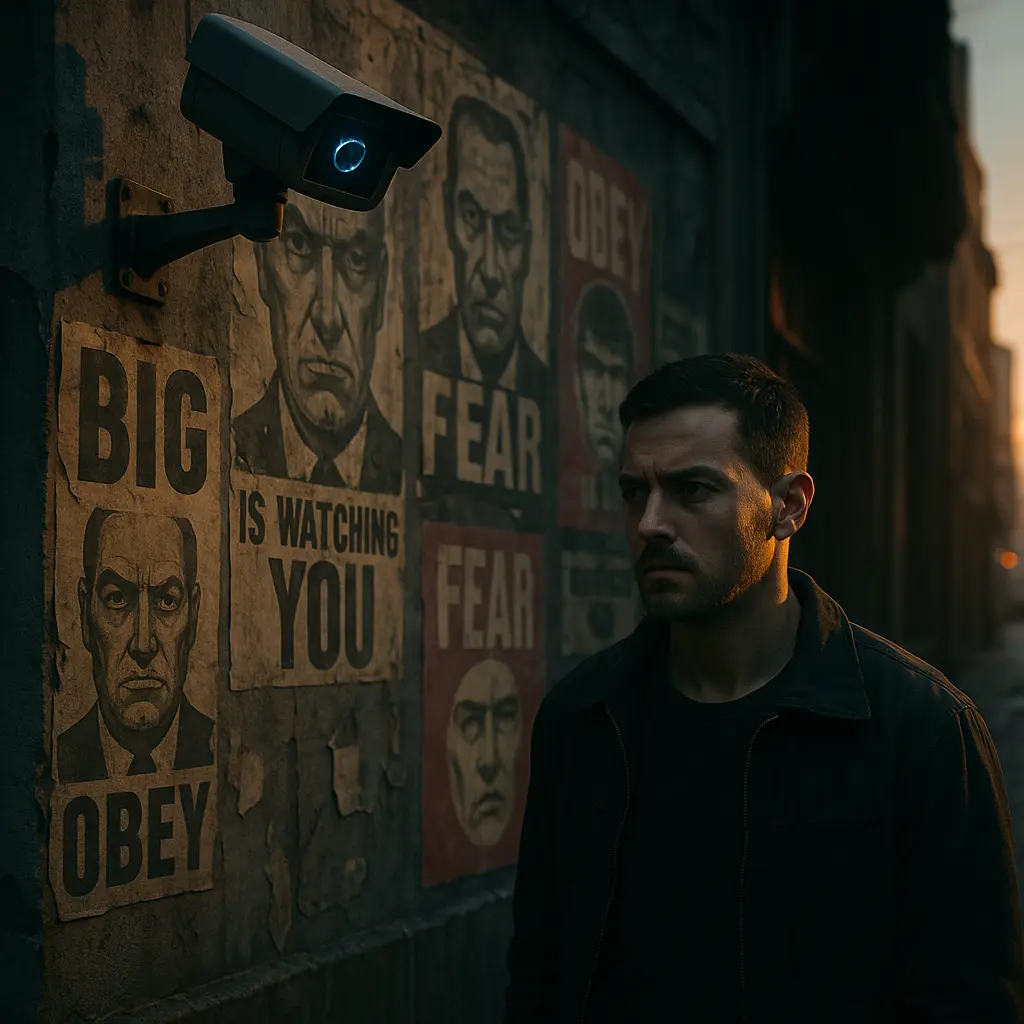
A man walks down a gritty city street lined with surveillance cameras and torn posters as sunlight breaks through clouds, symbolizing awareness breaking free from the fear machine.

“The fear machine does not need to hurt you. It just needs you afraid of what happens if you stop obeying. That fear is the engine that keeps it running.”

TL;DR

  • Fear is the easiest way to control a free person.
  • The fear machine runs on attention and reaction.
  • The more you chase safety, the easier you are to steer.
  • Courage is not the absence of fear. It is awareness through it.
  • Freedom begins when you stop letting fear make your choices.

Fear used to keep us alive. Now it keeps us obedient. It has been industrialized, automated, and broadcast every minute of the day. The fear machine does not care what you believe, only that you keep feeling. Fear sells, it trends, and it trains obedience faster than any rule ever could.

Freedom begins when you stop letting fear make your choices.

“The modern world does not punish you with pain. It punishes you with anxiety.”

Every alert, every headline, every prediction is designed to keep you watching. The fear machine has learned that attention is control. You do not need to be censored when you are too afraid to speak. You do not need to be silenced when you willingly whisper.

Inside the Fear Machine

Fear today is designed, not discovered. Algorithms predict your reactions better than you do. Every post, every video, every breaking alert is tuned to the patterns of your nervous system. The machine studies what you click, how long you pause, and what you avoid. It knows the shape of your anxiety.

That anxiety is not an accident. It is currency. The machine does not need you confident or calm. It needs you uncertain and dependent. Uncertainty keeps you checking. Checking keeps you compliant. You feel informed, but you are really being programmed to wait for the next update.

“The fear machine runs on your imagination. It feeds you worst-case scenarios and lets you finish the story.”

Once fear becomes habit, the machine no longer has to do the work. Your own mind starts filling in the blanks. You call it vigilance. It is conditioning. And it is profitable.

Algorithmic Fear and the Digital Fear Economy

The modern feed is not neutral. It is a marketplace where fear outbids calm. Platforms optimize for engagement, and fear engages fast. That is how a digital fear economy forms. The more you react, the more the machine rewards itself.

It shows up in small ways. Notifications that interrupt meals. Breaking banners that never end. Trending loops that turn concern into habit. If you want a deeper backdrop on how ease becomes control, read Comfort’s Quiet Lie. The short version is simple. When attention is the product, fear is the hook.

The Fear of Safety and Control

The more afraid people become, the more they trade freedom for protection. That trade has been happening quietly for years. Safety has become the new obedience. You agree to tracking, you accept surveillance, you defend censorship, all to stay safe. The machine does not demand loyalty. It sells it as security.

“Control no longer wears a uniform. It wears a warning label.”

Real-world example: A city installs smart cameras for public safety. They start by scanning plates for stolen cars. Within a year they are scanning faces, monitoring protests, and mailing fines to anyone who crosses the wrong zone. The same citizens who cheered the cameras now lower their voices around them. The fear machine did not change the rules. It rewired what people accepted.

Fear promises safety but delivers dependence. You cannot feel free when every decision runs through permission. The fear machine sells protection until you forget how to protect yourself.

Breaking the Reaction Loop

Fear is supposed to be temporary. It warns you of danger so you can act. The machine turned it into a permanent loop. It feeds you just enough panic to keep you reacting instead of rebuilding.

Each reaction teaches the algorithm how to keep you hooked. You give it more data. It learns faster, gets louder, and your calm gets shorter. You see it every day. News feeds that never sleep. HR bulletins that sound like warnings. Schools running lockdown drills that make headlines but do not teach resilience. Eventually you confuse exhaustion with awareness. That is when obedience sneaks in, not from threat, but from fatigue.

“You do not have to be brave to be free. You just have to stop letting fear decide for you.”

The way out is not denial. It is observation. Notice what triggers your fear. Ask who profits from it. When fear stops being an automatic signal, it becomes information. Information gives you choices. Choices rebuild control.

Rebuilding Courage

Courage is not the opposite of fear. It is the ability to see clearly through it. You do not erase fear. You navigate it. Start small. Face something uncomfortable and notice what happens when you do not back down. The fear machine depends on hesitation. Defiance starves it.

“Courage is not loud. It is steady.”

Fear loses its power the moment you act anyway. Action breaks loops. Effort rebuilds confidence. Each time you move forward, the fear machine weakens. You stop waiting for permission and start creating proof of your own ability.

The people who resist control are not fearless. They are tired of wasting time on what-ifs. They trade comfort for clarity and find out they were capable all along. Courage does not remove fear. It puts fear in its proper place, behind you.

Staying Awake in a Fearful World

Fear will always exist, but it does not have to lead. Keep it in your line of sight, not your driver’s seat. The world will keep selling you danger because danger sells control. Your job is to stay awake enough to see the transaction.

“The future does not belong to the fearless. It belongs to those who face fear with clarity.”

Awareness is what turns fear back into information. Once you see the patterns, the fear machine loses leverage. It cannot manipulate someone who notices the strings. That is real independence, not the absence of fear, but the mastery of it.

Every moment you choose action over avoidance, the machine stutters. It needs your reaction to survive. Take that away, and it collapses under its own noise.

Freedom starts in the mind. Light the Fuse.

FAQ

Why is fear such an effective form of control?
Because fear short-circuits reason. It turns people into reactors instead of thinkers, and reaction is predictable.

How can I tell if I am being manipulated by fear?
When a message demands urgency but offers no clear solution, it is not guidance. It is control.

Is fear always bad?
No. Honest fear protects you from real danger. Manufactured fear protects someone else’s power.

What is the first step to breaking fear’s control?
Stop trying to eliminate fear. Watch it. Name it. Once you see it clearly, it cannot own you.

How do I stay courageous when everything feels uncertain?
Do one hard thing every day. Courage grows from momentum, not comfort.


Stay Sharp. Stay Free

No noise. No fluff. Just unfiltered insight on independence, mindset, and critical thought direct from Jason Schaller.

You’ll get:

  • Actionable ideas to reclaim your independence
  • Deep dives into comfort, control, and how to resist both
  • Stories that challenge the systems training you to stop thinking
  • Real frameworks for critical thought and self-reliance

Support & Resources

If you value what I write here, share it. Every repost, mention, and conversation helps spread the spark of independent thought.

Credits and Socials

Connect with Me:
Follow for new articles, behind-the-scenes content, and thought experiments that challenge the system:

Credits:
Original Content by Jason’s Fuse / My Rogue Solutions LLC
Credit: Jason Schaller
Email: jschaller@jasonsfuse.com

About the Author:
Jason Schaller is the creator of Jason’s Fuse — unfiltered thinking on independence, critical thought, and the courage to question everything. He is also the founder of The Rogue Banshee, a former professional gunsmith of 10 years, and a cybersecurity professional with nearly 30 years of experience. He holds some of the top Cybersecurity credentials like the CISSP, CISA and CRISC.

Disclaimers

Content Use & Responsibility
Jason’s Fuse publishes opinion and commentary designed to encourage independent thought. The ideas shared here are for informational and educational purposes only. Readers are encouraged to verify sources, form their own opinions, and apply judgment responsibly.

Affiliate Disclaimer
Some links may be affiliate-based. They cost you nothing but help support the mission of building true independence and critical thought.

Ethics Notice
Opinions expressed are Jason’s own and do not represent any employer or partner organization. All statements are made in good faith based on verified information at the time of writing.
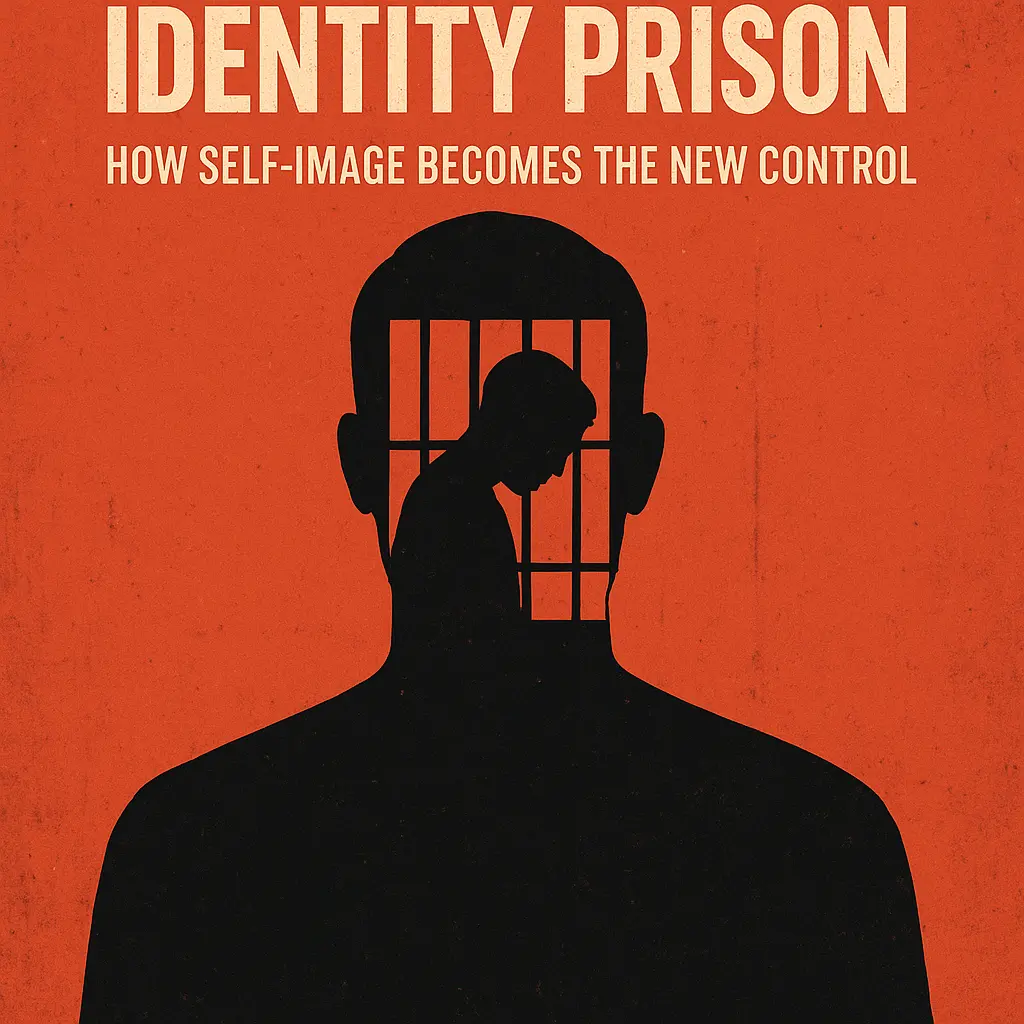
The Identity Prison: How Self-Image Becomes the New Control

A digital illustration of a person facing a cracked mirror, each shard reflecting a different version of their face, symbolizing how self-image fragments identity and becomes a form of control.

“The identity prison doesn’t need walls. It just needs you to defend them.”

TL;DR

  • Your self-image can trap you when it replaces awareness.
  • The identity prison thrives on approval and repetition.
  • Psychological control often feels like self-expression.
  • Belief conditioning trains obedience through validation.
  • Mental independence begins where comfort ends.

An identity prison is what happens when who you think you are becomes a form of psychological control. The walls are invisible, yet they hold firm. Every compliment, label, and like adds another brick. Soon, you live for confirmation instead of clarity. That is how obedience hides inside personality.

If The Loyalty Trap showed why people defend what holds them down, this post explains how that defense gets built. The identity prison turns belief into a badge. Then it makes you wear that badge even when it stops serving you.

“The most effective prison is the one you decorate yourself.”

Once your self-image becomes performance, you are manageable. You chase applause. You protect reputation. You fear disapproval. Platforms, brands, and tribes reward alignment, then call it authenticity. It feels honest. It is training.

The Making of an Identity Prison

“The easiest way to control someone is to make them defend their own reflection.”

The loop starts with reward. You post. People react. Your brain records the rush. Then you repeat it. Over time, recognition turns into policy. You obey what earns approval and avoid what risks judgment. It looks harmless at first, yet it shapes behavior fast.

This isn’t vanity. It is survival in a world where visibility feels like existence. Silence can feel like exile. So you adjust. You learn which takes get traction. You shave off nuance. You keep what performs and drop what stalls. Psychological control no longer needs fear. It uses preference and metrics.

The identity prison builds through repetition. A label here. A community there. A story you tell about yourself that hardens each time you repeat it. You stop testing the story because the story pays. Attention becomes currency, so you mint more of the same. The cost is awareness.

There is another layer. Once others expect you to act a certain way, you carry that expectation like duty. You become the reliable version of yourself. That reliability feels like integrity, but it is often just predictability. The prison likes predictable people.

Belief Conditioning and Emotional Branding

“You can sell anything if you convince people it proves who they are.”

Belief conditioning is simple. Attach emotion to an idea, repeat it often, and link it to identity. Do that well and logic stops being the referee. Emotion calls the fouls. You do not weigh claims. You protect them.

Brands use this. Movements use this. Media uses this. A product becomes a value. A value becomes a tribe. A tribe becomes a shield. If your self-image sits behind that shield, you will defend it even when the facts shift. You feel righteous. You also stop learning.

Here is the trick. Repetition feels like truth. The more you hear it, the more you trust it. That is why slogans work. That is why taglines stick. That is why timelines fill with the same takes wearing different logos. It is psychological control wearing pride as camouflage.

Notice the cues. Phrases that feel good to say. Images that flatter your side. Stories that place your group in the role of the steady hero. These are not always lies. They are comfort. Comfort can be true, yet it still weakens your curiosity if you never test it.

Comfort and Compliance in the Mirror

“You cannot rebel against the mirror that flatters you.”

Self-image loves comfort. It avoids friction even when friction builds strength. So you maintain habits, opinions, and relationships that affirm your current reflection. Discomfort feels like threat, not growth. That is why people stay loyal to roles that exhaust them. Familiar control can feel safer than unknown freedom.

The identity prison thrives here. It convinces you that change equals betrayal. Friends, followers, and families echo the current version of you. That echo sounds like truth because it is loud and close. Comfort replaces curiosity, and curiosity is where freedom begins.

Look at the daily patterns. Do you soften a point because it could cost attention. Do you avoid a topic because the group will push back. Do you over-explain to stay liked. These are small decisions. Together they build a cage around your voice.

There is a path out. It starts with one honest answer to one simple question. Who would you be without the applause. If that answer scares you, the mirror holds more power than you want to admit.

Social Mirrors and the Habit of Agreement

“Agreement feels safe. Habit makes it automatic.”

People reflect each other. That is normal. It helps groups function. The trouble starts when reflection turns into a requirement. You begin to pre-edit your thoughts to match the room. You agree faster. You disagree softer. You trade accuracy for peace and call it unity.

This is where the identity prison tightens. It takes less and less pressure to keep you in line. A raised eyebrow will do. A quiet unfollow will do. You stay because leaving costs attention and belonging. Meanwhile your range shrinks. Your confidence lives on borrowed approval.

To break that habit, practice clean disagreement. Short. Calm. Specific. No heat. You will find out who respects clarity and who only respects compliance. Either way you learn. Learning is oxygen inside the prison.

The Illusion of Choice and the Menu You Didn’t Write

“A limited menu still feels free when you forget who wrote it.”

Choice feels like freedom. It often is. Yet many choices live inside a menu designed by others. You can pick any option, but you rarely ask why those options exist. That is how an identity prison hides inside normal life. The menu flatters your self-image. It also limits your path.

Watch for binary traps. Us or them. This or that. Real or fake. Simple splits make strong teams and weak thinkers. They work because they are easy to explain and quick to defend. The cost is nuance. Nuance is where truth usually sits.

Step outside the menu once a day. Ask a third question. Add a missing angle. Sit with a fact that does not fit your story. None of that is betrayal. It is inspection. Inspection is how you keep control over your own mind.

When Self-Image Controls the Message

“If the crowd pays you for attention, the crowd steers your tone.”

The Drift From Core

I see this every week as a creator. Platforms reward watch time. Brands reward alignment. Audiences reward familiarity. If you slow down to think, reach drops. If you sharpen the truth, some people leave. That pressure is real. It can warp your self-image if you let it.

When I started The Rogue Banshee, it was a gunsmithing channel. I filmed disassembly and re-assembly, shared techniques, and loved the process. Then the numbers climbed and I started doing product reviews. It looked like growth, but it felt like drift. I had built a version of myself that the algorithm liked more than I did. Every upload became a calculation. Every view was a scoreboard. What started as freedom slowly turned into a job.

The Mask I Built

Over the years I chased the idea of being a “YouTube personality.” I thought that version of me was what success looked like. It wasn’t. It was another mask in the identity prison. The work that once recharged me began to drain me. The more I tried to fit the image, the less I recognized the person behind it.

Eventually I came full circle. I realized that the core, the teaching, the craftsmanship, the independence, was what mattered. That adventure was worth taking because it showed me where the limits of self-image end. I learned that even good intentions can build walls if you forget why you started. Now I am rebuilding from the center, creating because it means something again, not because it trends.

The Break With Brands

When I tried to change directions, I had brands tell me I was basically an unpaid intern and they were not on board with my changes. I even had a brand tell me that if I was unhappy with the arrangement, I should go back to the brand they replaced. They did not pay me. They shipped product and told me to produce content on Instagram. I said “fuck this,” burned the relationship to the ground, and started looking for partners who match my values.

The Reset To Core

That is the danger of a refined image. It performs well until it replaces the real person. The only way back is honesty. Not rebranding. Not reinvention. Just truth. When you speak from your core, the numbers might fall, but your freedom returns. That trade is always worth it.

Reclaiming Mental Independence

“Freedom begins the moment you question your own reflection.”

Mental independence is not rebellion for its own sake. It is the habit of seeing your thoughts as tools, not as laws. You can update them. You can retire them. You can test them without shame. That habit weakens every structure built on predictability. Control loses leverage when you stop being easy to map.

Start with small moves. Write down one belief you have never tested. Ask how you learned it. Ask who benefits when you keep it. Sit in silence for five minutes before you answer. Then try one act that conflicts with your usual label. Cook a meal you never cook. Read a source you never read. Talk to someone you avoid. You are not betraying yourself. You are checking the locks.

Keep a simple ledger. When you catch yourself protecting reputation instead of reasoning, mark it. When you choose discomfort over applause, mark it. That ledger will show progress long before the crowd notices. Results first. Recognition later.

The Practice of Seeing Clearly

“Awareness does not free you instantly. It gives you the map.”

Freedom is not an event. It is a daily practice. Watch your mind without letting it run the show. Fail. Observe. Recalibrate. Replace performance with participation. Speak without rehearsing the reaction. The less you depend on validation, the more authentic you become.

Your identity should serve you. It should not own you. The goal is not to erase who you are. The goal is to understand why you believe what you believe. When awareness replaces assumption, obedience fades. You stop playing a character in someone else’s story. You start writing your own.

Freedom starts in the mind. Light the Fuse.

FAQ

“Awareness is rebellion at its quietest.”

What is an identity prison?
It is a state where your self-image becomes a cage built from approval and repetition. You defend who you think you are instead of exploring who you could be.

How does self-image create control?
When reputation becomes survival, behavior follows reward. That is psychological control disguised as self-expression.

What is belief conditioning?
It links values to emotion so tightly that logic cannot challenge them. You obey feelings, not facts.

How do I build mental independence?
Question what you protect. Try discomfort. Let silence replace reaction until you hear your own thoughts again.

Can awareness break psychological control?
Yes. Seeing the pattern weakens its grip. Every moment of observation reclaims a piece of your freedom.

Stay Sharp. Stay Free

No noise. No fluff. Just unfiltered insight on independence, mindset, and critical thought direct from Jason Schaller.

You’ll get:

  • Actionable ideas to reclaim your independence
  • Deep dives into comfort, control, and how to resist both
  • Stories that challenge the systems training you to stop thinking
  • Real frameworks for critical thought and self-reliance

Support & Resources

If you value what I write here, share it. Every repost, mention, and conversation helps spread the spark of independent thought.

Credits and Socials

Connect with Me:
Follow for new articles, behind-the-scenes content, and thought experiments that challenge the system:

Credits:
Original Content by Jason’s Fuse / My Rogue Solutions LLC
Credit: Jason Schaller
Email: jschaller@jasonsfuse.com

About the Author:
Jason Schaller is the creator of Jason’s Fuse — unfiltered thinking on independence, critical thought, and the courage to question everything. He is also the founder of The Rogue Banshee, a former professional gunsmith of 10 years, and a cybersecurity professional with nearly 30 years of experience. He holds some of the top Cybersecurity credentials like the CISSP, CISA and CRISC.

Disclaimers

Content Use & Responsibility
Jason’s Fuse publishes opinion and commentary designed to encourage independent thought. The ideas shared here are for informational and educational purposes only. Readers are encouraged to verify sources, form their own opinions, and apply judgment responsibly.

Affiliate Disclaimer
Some links may be affiliate-based. They cost you nothing but help support the mission of building true independence and critical thought.

Ethics Notice
Opinions expressed are Jason’s own and do not represent any employer or partner organization. All statements are made in good faith based on verified information at the time of writing.
The Comfort Trap: How to Rebuild Independence One Effort at a Time

A digital illustration of a person sinking into a glowing couch surrounded by screens, with faint shadowy chains in the background symbolizing control through comfort.

“Comfort is the quietest cage ever built. The bars are soft, the door is open, and most people never think to leave. That is the comfort trap.”

TL;DR

  • Comfort hides dependency behind convenience.
  • The comfort trap trades freedom for ease, one habit at a time.
  • Discomfort builds skill and confidence. Avoiding it builds weakness.
  • Every act of effort reclaims a piece of independence.
  • Freedom starts when you stop outsourcing your own capability.

How the Comfort Trap Works

“The comfort trap never takes your freedom. It just teaches you not to use it.”

Comfort feels harmless at first. It rewards compliance with calm and disguises dependency as progress. The comfort trap does not force you to surrender. It convinces you to stop trying. Each time life gets easier, you lose another reason to stay sharp. Every shortcut, every app, and every automated task promises relief. What it really does is train you to sit still.

When effort disappears, attention disappears with it. The mind softens, the body follows, and soon you depend on systems to think, cook, move, and even decide. That is how independence fades. It happens quietly, hidden beneath ease that feels earned.

The Illusion of Progress

“Ease does not make you advanced. It makes you absent.”

Modern life sells convenience as evolution. It says progress means less work, fewer steps, and no struggle. The comfort trap builds on that lie. It tells you that difficulty is failure and friction is unnecessary. But friction builds skill. Effort keeps awareness alive.

Once everything becomes instant, you forget the patience that builds character. When you never have to wait, you stop learning how to prepare. When you never face resistance, you stop learning how to adapt. Ease feels like progress until something breaks and you realize you no longer know how to fix it.

The comfort trap does not punish mistakes. It removes the opportunity to make them. Without failure, you cannot grow. Without effort, you forget what success feels like.

Where the Comfort Trap Hides

“If it saves you thinking every time, it is training you to stop thinking at all.”

  • Auto everything: Auto pay, auto renewals, and auto refills are convenient until you stop checking the details and lose track of your own decisions.
  • Navigation on short routes: GPS for every trip dulls awareness. Try driving once without it and build a mental map again.
  • Endless delivery: Groceries and meals arrive at your door. Time saved, skill lost. Plan one meal a week from scratch to keep your edge.
  • Predictive content: Feeds that “know you” are designed to keep you scrolling, not thinking. Choose your sources intentionally.
  • Smart defaults: Preset thermostats, schedules, and answers. Convenience is fine. Blind acceptance is not.

None of these are wrong by themselves. The danger is in the drift. Small handoffs accumulate until the day you realize you can no longer function without them.

Why Discomfort Builds Strength

“Discomfort is not pain. It is proof that you are paying attention again.”

Discomfort is not suffering. It is the process of rebuilding what automation erased. Every uncomfortable task you take on, from learning a skill to fixing something by hand, strengthens the part of you that comfort dulled. The more capable you become, the less dependent you are.

Start small. Carry the groceries without the cart. Turn off the GPS and find your way. Repair something instead of replacing it. Each act of effort wakes up the part of your mind that remembers how to solve problems. That is how independence grows. Not in ease, but in motion.

Training Effort Back Into Daily Life

“The comfort trap loses power the moment you choose effort on purpose.”

Breaking the comfort trap is not about rejecting technology or chasing hardship. It is about balance and choice. Effort should be a daily exercise. Challenge yourself to do one thing each day that requires attention and patience. Write by hand. Learn a manual skill. Read a full chapter without checking your phone. These simple acts train your mind to stay present.

Repetition turns friction into focus. When effort becomes normal again, comfort stops being a trap and becomes a tool. You decide when to use it instead of letting it use you.

A Seven-Day Comfort Trap Reset

“Short wins stack. Stacked wins change you.”

  1. Day 1: Cook one full meal from raw ingredients. Plan, shop, prepare, and clean. No apps, no shortcuts.
  2. Day 2: Drive to a familiar place with the GPS off. Notice landmarks and rebuild your internal compass.
  3. Day 3: Repair one small item. A button, a hinge, or a squeak. Use your hands before your wallet.
  4. Day 4: Spend one hour without screens. Read, write, or think. Let your mind handle silence.
  5. Day 5: Pay one bill manually. Review the numbers and reconnect with your financial awareness.
  6. Day 6: Do something physical before opening your phone. Walk, lift, stretch, or work outside.
  7. Day 7: Plan next week on paper. Pick three tasks that require effort. Put them on the calendar and complete them.

These steps are simple on purpose. The goal is not intensity but reactivation. Once the reflex to engage returns, bigger challenges become possible.

Using Effort Where It Counts

“Capability is confidence you can verify.”

Effort without direction feels like grind. Effort with direction feels like growth. Aim your renewed discipline at projects that produce proof. Build a garden bed. Learn to use a new tool. Finish a long read. Teach a skill to someone else. Proof beats motivation because proof settles the argument inside your head.

Keep a simple log. One line per day. Record what you faced, what you finished, and what you learned. That record becomes a barrier between you and old habits. The comfort trap struggles to survive in people who keep proof of progress.

When Comfort Helps and When It Hurts

“Comfort that follows effort restores you. Comfort that replaces effort erodes you.”

Use comfort as recovery, not replacement. Sleep in a quiet room. Eat a good meal after real work. Sit down when the job is done. These comforts strengthen you because they follow action. Avoid comfort that arrives first, the kind that prevents you from starting. That version weakens your edge one small surrender at a time.

Freedom Through Effort

“Freedom starts where comfort ends.”

Freedom is not the absence of work. It is the mastery of it. Each challenge you face willingly builds discipline. Each obstacle you confront consciously builds awareness. These are not punishments. They are proof that you are alive and capable.

The comfort trap thrives on your desire for peace. It tells you that calm is safety and struggle is waste. But peace without effort is sedation. Real calm comes from competence, the kind that only effort can build.

Step outside the comfort trap. Choose effort again. Each task you take on for yourself is a small rebellion against dependency. That is how independence is rebuilt, one effort at a time.

Freedom starts in the mind. Light the Fuse.

FAQ

What is the comfort trap?
It is the slow surrender of independence to convenience. You trade capability for comfort until you forget how to function without it.

Is comfort always bad?
No. Earned comfort restores energy. Unexamined comfort removes awareness.

How do I break free from the comfort trap?
Do one difficult thing every day. Each small act of effort builds confidence and rewires dependency.

How does effort create freedom?
Effort restores self-trust. The more capable you become, the fewer systems can control you.

What is the first step?
Pay attention to what feels too easy. That is where the trap begins.

How do I keep momentum once I start?
Track your proof, build non-negotiable routines, and focus effort on projects that matter to you.

Stay Sharp. Stay Free

No noise. No fluff. Just unfiltered insight on independence, mindset, and critical thought direct from Jason Schaller.

You’ll get:

  • Actionable ideas to reclaim your independence
  • Deep dives into comfort, control, and how to resist both
  • Stories that challenge the systems training you to stop thinking
  • Real frameworks for critical thought and self-reliance

Support & Resources

If you value what I write here, share it. Every repost, mention, and conversation helps spread the spark of independent thought.

Credits and Socials

Connect with Me:
Follow for new articles, behind-the-scenes content, and thought experiments that challenge the system:

Credits:
Original Content by Jason’s Fuse / My Rogue Solutions LLC
Credit: Jason Schaller
Email: jschaller@jasonsfuse.com

About the Author:
Jason Schaller is the creator of Jason’s Fuse — unfiltered thinking on independence, critical thought, and the courage to question everything. He is also the founder of The Rogue Banshee, a former professional gunsmith of 10 years, and a cybersecurity professional with nearly 30 years of experience. He holds some of the top Cybersecurity credentials like the CISSP, CISA and CRISC.

Disclaimers

Content Use & Responsibility
Jason’s Fuse publishes opinion and commentary designed to encourage independent thought. The ideas shared here are for informational and educational purposes only. Readers are encouraged to verify sources, form their own opinions, and apply judgment responsibly.

Affiliate Disclaimer
Some links may be affiliate-based. They cost you nothing but help support the mission of building true independence and critical thought.

Ethics Notice
Opinions expressed are Jason’s own and do not represent any employer or partner organization. All statements are made in good faith based on verified information at the time of writing.
The Loyalty Trap: Why People Defend What Holds Them Down

A person stands in a dim industrial hallway facing a glowing doorway, symbolizing awareness and freedom from the loyalty trap. Shadows behind them form faint chains, representing control and obedience.

“The structure never needed everyone to believe in it. It only needed enough people to defend it. That is the loyalty trap.”

TL;DR

  • Control survives because people protect it.
  • Most loyalty is trained, not earned.
  • Fear of change feels safer than freedom.
  • Obedience hides behind the word “normal.”
  • The hardest chains to break are the ones you volunteer to wear.

People rarely notice when they start defending their own cage. They call it stability, maturity, being realistic. They protect the order that keeps them small because comfort makes compliance feel noble. That is the loyalty trap. The machine does not ask for your faith. It asks for your repetition.

Freedom begins when you stop defending control.

“Control does not need believers. It needs enforcers who think they are protecting peace.”

Most people would rather be told what is true than find out for themselves. Thinking hurts. Doubt creates tension. Certainty feels like rest. The machine sells that rest in familiar forms: policy, procedure, culture, brand identity. Anything that keeps the gears turning without friction will do.

Over time, that rhythm becomes comfortable. You learn what to say, what to hide, what earns approval. The repetition feels safe because it gives you belonging. Before long, you start defending the very thing that limits you. It feels noble to protect what’s familiar, even when that familiarity costs you freedom.

The Birth of Obedience

Obedience rarely begins with threats. It begins with small rewards. The pat on the head for fitting in. The bonus for staying quiet. The comfort of being called a team player. The lesson sinks in quickly: keep the peace and you will be fine.

We mistake approval for respect. Once you taste the ease of acceptance, questioning feels like betrayal. That is how loyalty is built — not through trust, but through convenience. The habit becomes reflex. You learn what earns smiles and what earns silence. In time, silence feels safer than truth.

“The moment you trade truth for belonging, you start guarding the lie.”

When someone challenges the rules, the group reacts like a wounded animal. The pushback is instant because the structure defends itself through its members. People protect the comfort that shields them from thinking. It feels easier to call a dissenter a problem than to face what they expose.

This plays out everywhere — offices, communities, families. In one company I worked with, employees were told every Friday to post “We’re all one team!” on the internal chat. Anyone who didn’t got flagged for “engagement coaching.” That’s not unity. That’s conditioning. The practice wasn’t about connection. It was about monitoring who still believed.

Manufactured Loyalty

The machine rewards small obedience. Show up. Do not ask. Repeat. Those who play along rise just enough to feel successful, but never enough to be free. The illusion of progress keeps them loyal. Promotions, perks, and titles become currency in a market of quiet control.

Control no longer needs guards. It has users, fans, and employees who enforce compliance for free. Algorithms do not police thought; people do. They repeat slogans, defend policies, and shame anyone who questions them. They do it out of pride, not fear, which makes the loyalty even stronger.

“Modern loyalty is not love. It is dependency dressed as duty.”

When you rely on the structure for safety, you will defend it against anyone who threatens it — even when it is the thing holding you down. The paycheck, the title, the reputation all depend on staying useful to control. Most people would rather keep the illusion than risk standing alone.

What looks like dedication is often dependence. Once you see that, you start recognizing loyalty everywhere: people praising jobs that drain them, defending rules they despise, clinging to routines that keep them numb. It is not belief. It is survival disguised as virtue.

Why Truth Feels Like Betrayal

When you finally wake up, the first shock is not the truth itself. It is the silence that follows. The moment you stop pretending, you hear how loud conformity was. You notice how often people talk just to keep peace, how rarely anyone says what they mean.

That silence cuts deeper than any argument. People do not hate the truth because it is wrong. They hate it because it requires work. It forces them to rethink who they are without the structure they defended. The truth dismantles identity, and that feels personal.

“Freedom hurts at first because you lose the comfort of excuses.”

Waking up can feel like betrayal. You stop echoing what made you belong. You stop nodding in meetings, stop reposting the approved opinions, stop laughing at things you don’t believe. The crowd pulls away, and the distance feels heavy. But that isolation is proof you’ve stopped trading yourself for acceptance.

Every movement toward independence carries a cost. The moment you stop feeding the illusion, the machine starves you of comfort. But clarity replaces the hunger quickly. You learn to live on truth instead of approval. That is how freedom grows — one uncomfortable moment at a time.

Breaking the Loyalty Loop

You cannot argue people out of obedience. You can only model freedom. Quiet consistency breaks illusions faster than outrage. When people see you stand alone and stay calm, they start asking why. That is how cracks form in the wall.

Start small. Question one habit a day. Notice who benefits from your loyalty. Ask what you defend that no longer deserves defense. Awareness is not rebellion. It is maintenance. It keeps your mind from outsourcing its judgment to comfort.

“Freedom starts where loyalty ends.”

Breaking the loop means being honest about what you protect. You can still value people, traditions, or tools, but stop worshipping them. Loyalty should serve truth, not replace it. Every belief should be able to survive inspection. If it cannot, it is not loyalty, it is dependency.

Once you stop guarding the structure, you start guarding yourself. That shift is subtle but powerful. You spend less time defending opinions and more time refining them. You start trusting your own judgment again, and that is where freedom begins.

Freedom Requires Discomfort

Freedom is not isolation. It is integrity. It asks you to be willing to lose comfort for clarity. The price feels high until you remember what it buys: your mind, your time, your peace. You cannot have independence without friction, because friction sharpens awareness.

Control keeps you entertained. Freedom keeps you awake. The difference is work. Each day you choose whether to serve your awareness or your comfort. Some days you will slip back into routine. That is normal. The goal is not perfection. It is presence.

“The machine does not fear rebellion. It fears people who stop defending it.”

Once you stop defending control, it loses power. It cannot function without your cooperation. Every quiet act of independence weakens it: thinking before sharing, questioning before agreeing, choosing silence instead of noise. These are small rebellions, but they rebuild your self-respect.

Freedom starts in the mind. Light the Fuse.

FAQ

Why do people defend systems that limit them?
Because it feels safer to protect comfort than to rebuild it from scratch.

Is loyalty always bad?
No. Loyalty earned through respect builds trust. Loyalty demanded by control builds weakness.

How do I spot false loyalty in myself?
Notice what you defend even when it no longer serves you. If the answer is comfort, not conviction, it is false loyalty.

What is the first step to breaking blind loyalty?
Admit what you have been protecting and ask why. Awareness is the real act of courage.

How can I stay free without becoming bitter?
Replace anger with clarity. Build, teach, and live by example. Freedom without humility turns into isolation.

Stay Sharp. Stay Free

No noise. No fluff. Just unfiltered insight on independence, mindset, and critical thought direct from Jason Schaller.

You’ll get:

  • Actionable ideas to reclaim your independence
  • Deep dives into comfort, control, and how to resist both
  • Stories that challenge the systems training you to stop thinking
  • Real frameworks for critical thought and self-reliance

Support & Resources

If you value what I write here, share it. Every repost, mention, and conversation helps spread the spark of independent thought.

Credits and Socials

Connect with Me:
Follow for new articles, behind-the-scenes content, and thought experiments that challenge the system:

Credits:
Original Content by Jason’s Fuse / My Rogue Solutions LLC
Credit: Jason Schaller
Email: jschaller@jasonsfuse.com

About the Author:
Jason Schaller is the creator of Jason’s Fuse — unfiltered thinking on independence, critical thought, and the courage to question everything. He is also the founder of The Rogue Banshee, a former professional gunsmith of 10 years, and a cybersecurity professional with nearly 30 years of experience. He holds some of the top Cybersecurity credentials like the CISSP, CISA and CRISC.

Disclaimers

Content Use & Responsibility
Jason’s Fuse publishes opinion and commentary designed to encourage independent thought. The ideas shared here are for informational and educational purposes only. Readers are encouraged to verify sources, form their own opinions, and apply judgment responsibly.

Affiliate Disclaimer
Some links may be affiliate-based. They cost you nothing but help support the mission of building true independence and critical thought.

Ethics Notice
Opinions expressed are Jason’s own and do not represent any employer or partner organization. All statements are made in good faith based on verified information at the time of writing.